The cost for garage door installation depends on the door size, material, style, site condition, removal work, and opener needs. A basic replacement may take less work than a custom door with frame repairs. The final quote should match the home, access, parts, safety needs, and full installation plan.
A new garage door can improve security and make daily entry easier. It can also help a home, rental, business, or detached garage look finished. Quotes can be hard to compare when each company lists different work, so it helps to know what shapes the project.
Athens Garage Door Repair helps property owners understand the work behind a garage door replacement. These same factors matter across Athens and nearby communities, including Clearview, Poston, Chauncey, Albany, Amesville, Buchtel, and other areas in the region.
Table of Contents
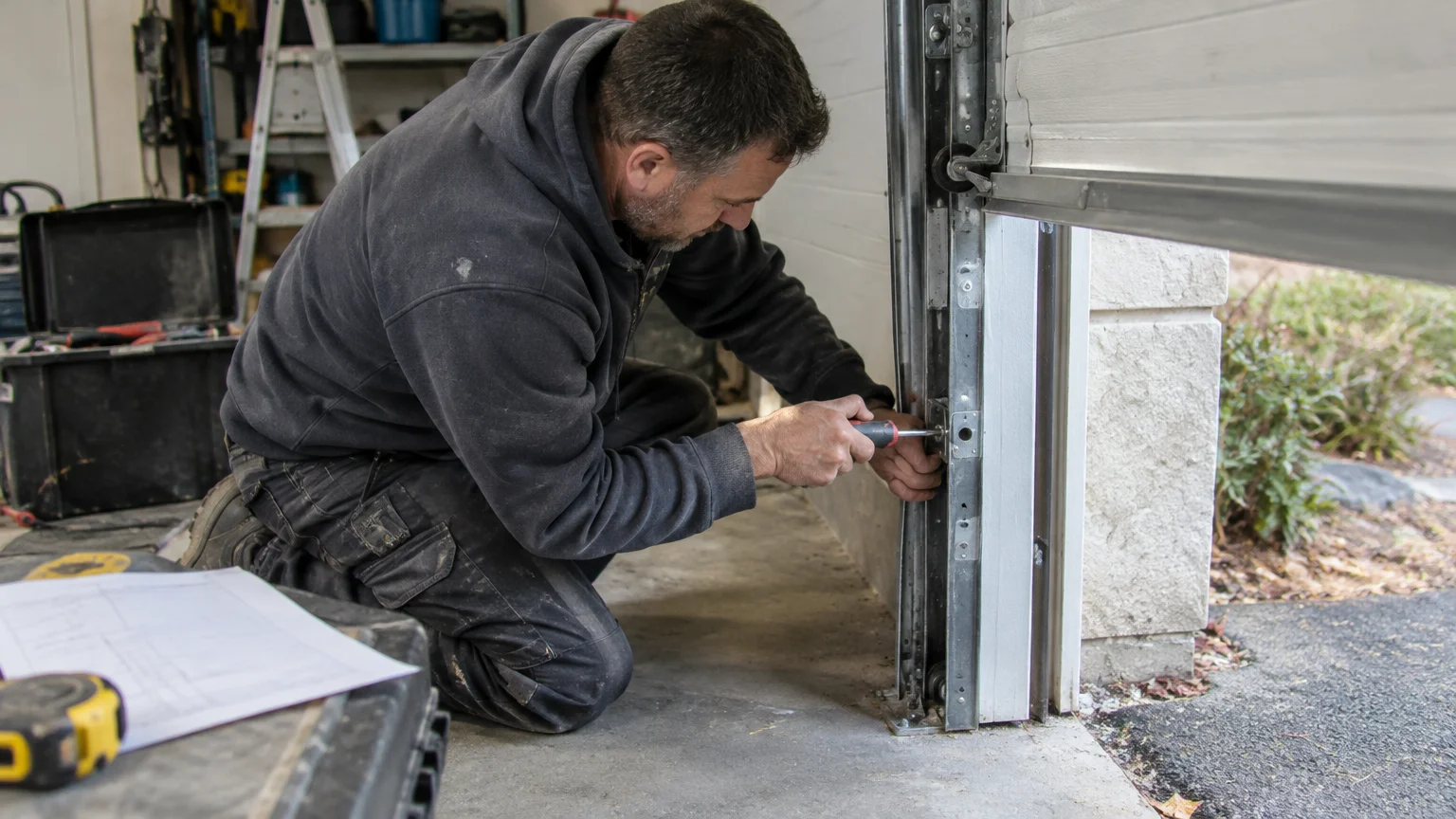
- What factors determine the cost for garage door installation?
- Which garage door style and material should you choose?
- How much does removing an old garage door add to the job?
- Does installing a new garage door opener change the cost?
- What preparation or structural repairs can affect installation?
- Is it more practical to replace the garage door and opener together?
- How can you compare garage door installation quotes?
- Frequently Asked Questions
What factors determine the cost for garage door installation?
The main factors include door size, door type, material, labor, removal, access, and repairs. A single-car opening has different needs than a wide double-car opening. A custom opening may also need more planning before the work starts.
The door must fit the opening and move safely. An installer checks the width, height, headroom, side room, and backroom. These measurements affect the tracks, springs, rollers, brackets, and opener. A door that does not fit the space may need more preparation.
How door size, layout, and material affect the installation
A larger door often weighs more. It may need stronger springs, tracks, and an opener. A tall door or unusual ceiling layout can also need different hardware. Steel, aluminum, wood, and composite doors each have different weight and care needs.
Material affects more than the look. It can change insulation, weather resistance, panel strength, and upkeep. A door on an attached garage may need a better seal than a door on a separate storage building. The best garage door is one that fits the space and meets its daily needs.
Why site conditions can change the work involved
The garage needs a safe work area. Tight access, stored items, low ceilings, damaged tracks, and poor lighting can make the job harder. A business door may also need work around vehicles, shelves, loading areas, or open business hours.
The final cost is confirmed on a quote after the installation needs are checked. Athens Garage Door Repair can help property owners understand which parts of the work are included before installation begins.
Which garage door style and material should you choose?
The right style depends on the opening, use, security needs, and look of the property. Sectional doors suit many homes because they move upward in panels. Roll-up doors can work well when overhead space is limited. Side-hinged doors may suit older homes or special layouts.
No style works for every garage. Headroom, side space, ceiling shape, and daily use all matter. An installer can check whether the planned door will work with the current opening.
How sectional, roll-up, side-hinged, and custom doors compare
Sectional doors use horizontal panels that travel on tracks. They are common in homes across the United States. Roll-up doors coil above the opening and may suit some business spaces or compact garages. Side-hinged doors swing outward and need clear space in front.
Custom doors can match the design of a home more closely. They may need special sizes, windows, panels, finishes, or hardware. This added planning can make the work more involved than a standard replacement.
What insulation, windows, finishes, and hardware add to the project
Insulated panels can help a garage stay more stable during hot or cold weather. Windows can bring in daylight, but they may change panel weight and placement. Decorative handles, stronger hinges, special colors, and custom finishes also affect the parts selected.
Choose features that meet a real need. Insulation may help when a garage is used as a workshop. Windows may help when the space needs more light. The main goal is a safe door that suits the property, not extra features that provide little value.
How much does removing an old garage door add to the job?
Removing an old door adds work when panels, tracks, springs, cables, or an opener must be taken down safely. The scope depends on the door’s size, weight, condition, and connection to the garage. Disposal and cleanup may also be part of the job.
Old doors can contain parts under strong tension. Torsion springs and extension springs store energy. Lift cables may also stay tight. Homeowners should not remove these parts themselves. A mistake can cause serious injury or damage to the door, wall, car, or tools.
When old tracks, panels, springs, and openers need separate removal
Some replacement jobs cannot use the old parts. Old tracks may be bent, worn, or made for another panel size. An opener may also need removal when its rail, lifting force, controls, or safety features do not match the new door.
Hidden damage may appear after the old parts come down. This damage can include loose fasteners, cracked framing, rusted supports, or worn weather seals. The quote should explain whether removal, handling, disposal, and preparation are included.
How disposal and preparation affect the installation scope
Large doors and metal tracks need careful handling. The work area should be clear before the crew arrives. The garage floor, driveway, and nearby walls should be protected from loose parts and debris.
A homeowner can move stored items away from the opening. Children and pets should stay out of the work area. Cleaning the garage floor can also help. Spring, cable, and bottom-bracket removal should remain with a trained professional.
Does installing a new garage door opener change the cost?
Yes. A new opener adds equipment, setup, testing, and safety checks. The opener must match the door’s weight, size, balance, travel, and use. The door and opener should be planned as one safe system.
An opener is the motor unit that lifts and lowers the door. It uses a drive system, rail, controls, and safety devices. A weak or worn opener may struggle with a new door even when the door itself is fitted correctly.
How opener type, lifting capacity, and drive system matter
Chain-drive, belt-drive, and wall-mounted openers use different layouts and can make different levels of sound. The best choice depends on ceiling space, nearby living areas, side room, and daily use. A heavier door needs an opener with suitable lifting capacity.
Smart controls, battery backup, lights, and keypad access can add useful functions. They should match the property’s needs. A business owner may value access control, while a homeowner may prefer quiet operation.
Why door and opener compatibility should be checked together
A properly balanced door should move smoothly by hand, but homeowners should not test spring tension or adjust lifting parts. The opener should never force a door that binds, drags, or sits unevenly. These problems can damage the system and create a safety risk.
Garage Door Opener Repair may help when an existing motor has a simple fault. Full replacement may make more sense when the opener is old, damaged, or unsuitable for the new door. Athens Garage Door Repair can review both parts together for homes and nearby properties.
What preparation or structural repairs can affect installation?
Preparation can change the work when the frame, floor, ceiling, wiring, or mounting points are not ready. A new door needs a sound opening and secure hardware. These conditions may need attention before the door is fitted.
How damaged framing, uneven floors, and weak mounting points affect the work
Wood around the opening may be split, soft, or loose. A weak header or side jamb may not hold brackets safely. An uneven floor can leave a gap below the door. A damaged threshold can let in water, dust, or pests.
Some problems are hidden until the old door is removed. The quote should identify each repair and explain why it matters. Covering a weak area without fixing it can lead to poor alignment and early wear.
When electrical access, safety sensors, or weather sealing need attention
A new opener needs a suitable power source and safe control setup. Safety sensors sit near the floor. They help stop the door when something crosses the opening. The sensors must be aligned and tested during installation.
A garage door seal helps close gaps around the sides, top, and bottom. Worn seals may need replacement during the work. Homeowners can clean the opening and report drafts or water entry. Electrical changes and safety device work should be handled by qualified professionals.
Is it more practical to replace the garage door and opener together?
Replacing both parts can simplify planning when the old opener is worn, unsuitable, or near the end of its useful life. One coordinated job avoids fitting a new door around outdated hardware. It also lets the door balance, opener, sensors, and controls be checked together.
When coordinating both installations can simplify the project
A matching door and opener can reduce fit problems. The installer can choose the rail, motor, mounting points, and controls for the same door design. This may prevent a later visit because the old opener cannot safely lift the replacement door.
The choice still depends on the current opener. A newer unit that works well, fits the opening, and meets safety needs may not need replacement. An installer should inspect it instead of replacing it automatically.
What to consider when an existing opener still works
A working opener may still have worn gears, noisy movement, old sensors, or a rail that does not match the new door. Remote controls and access settings may also need review. Ask whether the current unit suits the planned door.
Garage Door Maintenance can help find wear before a failure stops access. If the door is off track, cables are damaged, or the opener will not run, repair may need to come first. Safe access matters more than keeping an unsuitable part in service.
How can you compare garage door installation quotes?
Compare quotes by checking the full work plan, not only the final figure. Each proposal should name the door style, size, material, insulation, hardware, opener, removal work, disposal, preparation, safety testing, and cleanup. Clear details make different proposals easier to review.
Which parts of the proposed work should be listed clearly
A useful quote should explain what will be installed and removed. It should also note structural repair, electrical work, weather sealing, special access, or custom features. Ask about parts that are excluded or may need approval after removal begins.
A clear proposal can include:
- The door size, style, material, finish, windows, and insulation
- The tracks, springs, rollers, brackets, seals, and other hardware
- The opener type, drive system, controls, sensors, and battery backup
- Removal, disposal, site preparation, repairs, testing, and cleanup
- The expected work plan and how changes will be confirmed
Why an on-site assessment confirms the final installation requirements
An on-site review helps the installer check conditions that a photo may not show. It can reveal low headroom, tight side space, weak framing, uneven floors, or hidden damage. These details help prevent delays and unsafe shortcuts.
The final cost is confirmed on a quote after the property and installation plan are reviewed. Athens Garage Door Repair serves homeowners and property owners across the Athens area. The team can explain the planned work before a new garage door is fitted.
Key takeaways
- Door size, material, style, and custom features shape the installation work.
- Removal may include panels, tracks, springs, cables, the opener, and disposal.
- Structural repairs, wiring, sensors, and weather seals may affect the project.
- A new door and opener should be checked for fit and safe operation together.
- The final cost is confirmed after an on-site review and clear written quote.
Frequently Asked Questions
How much is it for garage door installation?
The cost depends on door size, material, design, site condition, removal needs, opener choice, and repairs. A basic replacement usually has fewer parts and less preparation than a custom door with structural work. The final cost for garage door installation is confirmed after the property and project scope are reviewed.
Who repairs garage doors near me?
A local garage door repair company can assess broken springs, damaged cables, off-track doors, and opener faults. Choose a provider that explains safety risks and planned work clearly. Athens Garage Door Repair can assess repair or replacement needs and help confirm the next safe step.
Can a homeowner install a garage door?
A homeowner can handle simple preparation, such as clearing the garage and checking for visible damage. Door installation involves heavy panels, springs, cables, brackets, and exact alignment. Spring and cable work should be left to a trained professional because stored tension can cause serious injury.
Should the opener be replaced with the garage door?
Not always. An existing opener may remain suitable if it is compatible, safe, balanced with the new door, and in good condition. Replacement may make more sense when the opener is worn, noisy, weak, outdated, or made for another door size or weight.
What should a garage door installation quote include?
A quote should describe the door, hardware, opener, removal, disposal, preparation, repairs, safety testing, weather sealing, and cleanup. It should also explain exclusions and how unexpected conditions will be handled. An on-site review helps confirm the installation needs before work begins.
Conclusion
The cost for garage door installation reflects the complete job, not only the door panel. Size, style, material, opener choice, removal, access, structural condition, electrical needs, and safety work all matter. Careful planning helps protect the home, business, vehicles, and people using the garage.
A homeowner should never adjust springs, cables, bottom brackets, or other parts under tension. Simple cleanup and access preparation are safe, but technical installation and hazardous repairs need proper tools and training. Contact us today for an urgent assessment of the installation work your property needs.