Garage doors won’t open for several common reasons, including a power issue, a faulty control, a lock, or damaged parts. Start with safe checks from inside the garage, such as looking at the opener lights and checking for a blockage. Stop if the door looks crooked, damaged, or unusually heavy.
A garage door that stops working can trap a car or leave a home less secure. Some causes are simple, like a remote with a dead battery. Others involve springs, cables, or moving parts that can cause serious harm. The checks below can help you narrow down the cause without taking the door apart.
Table of Contents
- Why won’t my garage door open?
- Is the garage door opener getting power?
- Could the remote or wall control be the problem?
- Is the garage door locked or disconnected?
- Can safety sensors keep a garage door from opening?
- Why does the garage door start moving and then stop?
- Could something be blocking or binding the door?
- Could a broken spring or cable prevent the door from opening?
- What should I do if the garage door will not open during an emergency?
- When should I call a garage door repair professional?
Why won’t my garage door open?
A garage door may not open if the opener has no power, the control signal fails, or a lock is on. A door that starts moving and then stops may have a travel or force issue. If it looks crooked, feels very heavy, or has a loose cable, stop using it and get help.
How can someone tell whether the door or opener is at fault?
The opener is the motor and control unit that moves the door. If it makes no sound when someone presses the wall button, there may be a power or control problem. If the motor hums but the door stays still, a lock, a loose connection, or damaged parts may be the cause.
Watch and listen from a safe spot. A click, hum, flashing light, or short movement can give you clues, but it cannot prove the cause. Do not keep pressing the control to make the door respond. Repeated attempts may strain the opener or make a damaged door move without warning.
What should be checked before trying a reset?
First, make sure people, pets, and objects are away from the door. Look at the door and tracks from a safe distance. Check whether a manual lock is on or something is caught under the door. Do not touch springs, cables, brackets, or parts that look bent or loose.
A reset will not fix a broken spring, a jammed track, or a locked door. On some models, a reset may also erase opener settings. Athens Garage Door Repair helps homeowners and property owners find out whether the problem may be with the opener or door. A careful first look can help explain the issue without risking an unsafe repair.
Is the garage door opener getting power?
A garage door opener may stop working if its outlet loses power, a breaker trips, or the home has a power outage. Look at the opener lights and nearby outlet from a safe spot. If the outlet or wiring looks damaged, do not touch it; ask a qualified professional to check it.
How can someone check the outlet, breaker, and opener lights?
Look for lights on the opener and see whether they turn on when someone presses the wall control. If the opener plugs into an outlet, check that the plug looks firmly seated. Do not use a damaged cord, reach inside the motor housing, or touch exposed wires.
A tripped breaker may affect other parts of the home as well. If a breaker has tripped, follow the home’s usual electrical safety steps. If it trips again, leave it alone and contact an electrician. A breaker that keeps tripping may point to an electrical issue that an opener reset will not fix.
Some openers have a light or display that flashes when they find a problem. The flash pattern can differ by model, so check the owner’s manual. If the opener has power but the door does not respond, the cause may be a control, lock, door connection, or opener fault.
What can a power outage mean for the door?
During a power outage, an automatic opener may not move the door. Some openers have a manual release that separates the door from the opener, but using it is not safe in every case. A door with a broken spring or other damage can fall or become very hard to lift.
If power returns but the opener still fails, check the maker’s instructions before changing settings. Do not open the motor housing or change wiring. If the door remains stuck, Garage Door Opener Repair may help find a failed control or motor. Athens Garage Door Repair can also check the door and opener as a whole, since a problem with one can affect the other.
Could the remote or wall control be the problem?
Yes. A remote may stop working because its battery is weak, its buttons are worn, or its signal cannot reach the opener. A wall control can also fail or have a wiring issue. Checking a remote battery is usually safe to do yourself; touching exposed control wires is not.
Why might a remote stop working when the opener has power?
A remote needs a working battery and signal. If the opener responds to the wall control but not the remote, the remote or its signal may be at fault. You can check the battery and make sure you are using the remote within its normal range.
If it still does not work, the opener may need its remote settings checked. Follow the model’s manual instead of pressing unknown buttons or changing settings at random. Keep children away while checking controls, and never stand under a moving door to test them.
How can the wall button and control wiring be checked safely?
Press the wall button once and listen for a click or motor sound. If the opener works from the remote but not the wall button, the wall control or its wiring may need attention. Do not use a control with a cracked cover, loose parts, or visible wire damage.
Do not remove the wall control or touch exposed wires. Low-voltage wiring can still be damaged, and a wiring fault can make the opener act in an odd way. A professional can test the control safely and decide whether the problem needs Garage Door Opener Repair or another repair.
Is the garage door locked or disconnected?
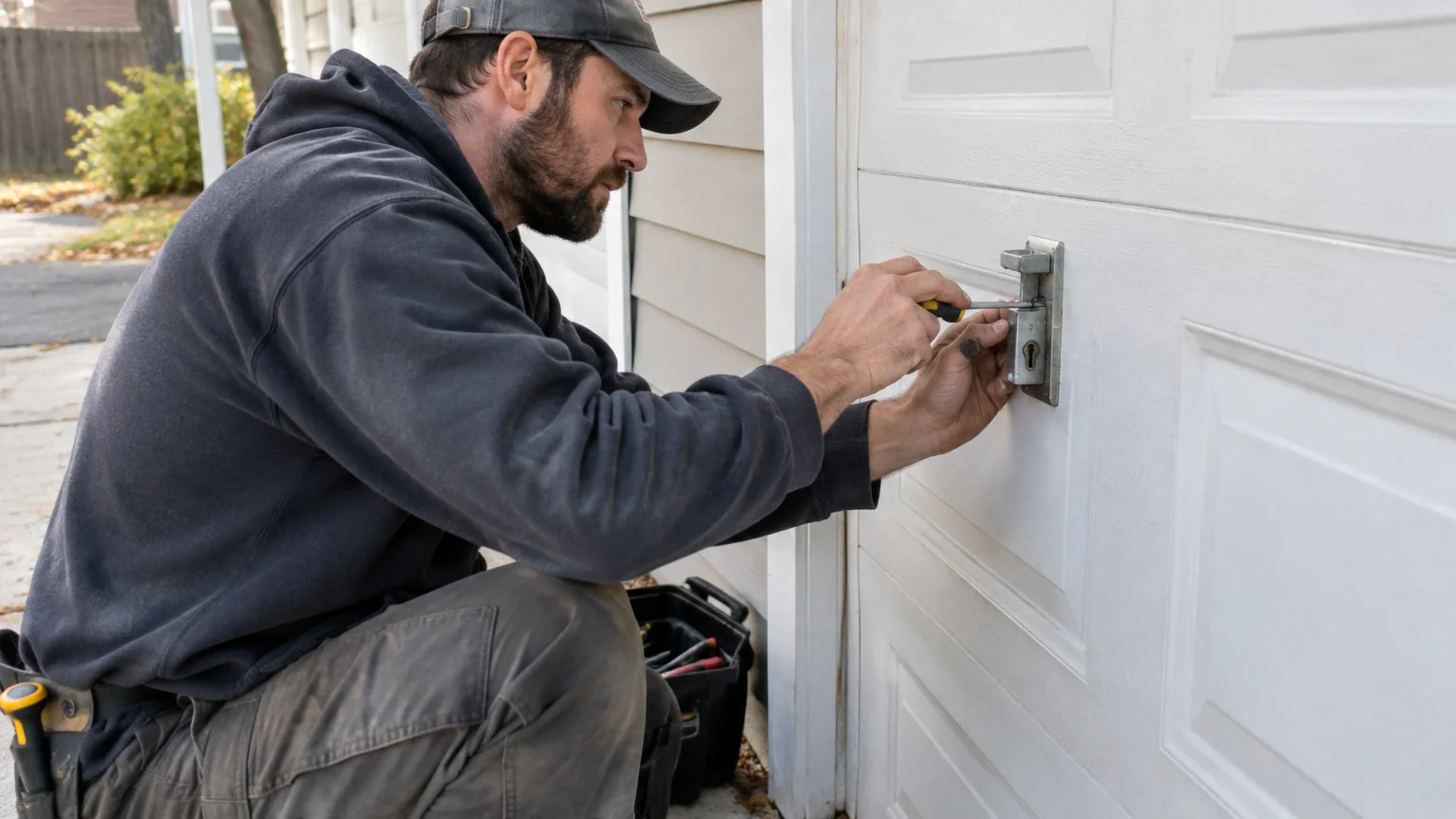
A manual lock or slide bolt can stop a garage door from opening, even when the opener runs. The emergency release separates the opener from the door; it does not fix the door or make damaged parts safe. Check for a lock only when the door is still and no parts look damaged.
How can a lock or slide bolt block movement?
Some doors have a manual lock inside the garage. A slide bolt may also sit near the edge of the door. If either is on, the opener may strain against it, or the door may not move at all. Look for a visible lock before pressing the opener again.
Never force a locked door with the opener. Doing so can harm the door, opener, or both. If the lock is hard to move, looks bent, or seems stuck, stop and have the door checked. A stuck lock may point to a larger problem with door alignment.
What does the emergency release do, and when is it safe?
The emergency release is usually a handle attached to a cord. It separates the opener from the door so the door can move by hand. That does not mean the door is safe to lift. If a spring has failed or the door is out of balance, it may be too heavy to control.
Use the release only as the owner’s manual says and only when the door looks stable and whole. Keep away if the door is crooked, partly open, or may drop. Never pull the release while someone is under the door. If the door does not move easily, stop instead of forcing it.
Can safety sensors keep a garage door from opening?
Safety sensors most often stop a garage door from closing when their beam is blocked or out of line. They usually do not stop a door from opening. If your door will not open, sensor lights may offer a clue, but another problem is often more likely.
What can sensor lights and alignment reveal?
Safety sensors are small devices near the bottom of the door opening. They send an invisible beam across the doorway. If something blocks the beam, the opener may stop or reverse the door as it closes. Sensor lights that are off or blinking may mean a sensor is blocked, dirty, or out of line.
You can safely look for dust, leaves, or other items near the sensors. Use a soft, dry cloth to wipe the sensor faces. Keep the sensors in place and do not pull their wires. If a sensor is loose, damaged, or still shows a warning, a technician can check its position and wiring.
Why do sensor problems more often stop closing than opening?
The sensor system helps stop the door from closing on a person, pet, or object. If the beam is blocked, the opener may refuse to close or may reverse after moving down. This safety response differs from the usual causes of a door that will not open.
If the door opens but will not close, look for something in the doorway and check the sensor faces for dust. Do not bypass the sensors or hold the wall button to get around them. That would remove a safety feature. Garage door sensor alignment and Garage Door Maintenance can help address repeated sensor problems safely.
Why does the garage door start moving and then stop?
A door that starts moving and stops may meet resistance or reach a limit set by the opener. Travel limits tell the opener where the door should stop. Force settings tell it how much resistance it can meet before stopping. Wrong settings can affect movement, but damage or a jam can cause similar signs.
How do travel limits affect where the door stops?
If a travel limit is wrong, the opener may stop before the door reaches its usual place. The door might start moving, stop too soon, or act differently each time. The exact signs depend on the opener model and whether the door is opening or closing.
Changing settings without knowing the cause may leave the door in an unsafe place. The door must stay on its tracks and stop as it should. Read the owner’s manual for basic details, but do not change settings to push the door past a jam or damaged part. A technician can check both the settings and how the door moves.
How do force settings respond to resistance?
Force settings guide how the opener responds when the door meets resistance. If the door is stuck or heavy, the opener may stop instead of continuing. Raising the force to make the door move can hide the real problem and put more strain on the door and opener.
Stop testing if the door jerks, stalls, or makes a new grinding sound. Do not keep changing settings or pressing the control. A professional can check whether the door moves freely and whether the opener settings fit the door. Garage Door Opener Repair may be needed if the opener cannot move a door that is otherwise safe and in working order.
Could something be blocking or binding the door?
Yes. Debris, a bent track, or a roller out of line can stop the door from moving smoothly. You can look for visible objects and debris from a safe distance. A door that looks crooked, rubs against a track, or feels unusually heavy needs professional care.
How can debris, tracks, and rollers affect travel?
A small object near the door can block its path. Dirt or debris in a track can also affect how the door moves. Rollers guide the door along the tracks; a damaged or out-of-place roller may make the door wobble, scrape, or stop.
You can move loose items off the floor and clear visible debris without reaching into the track. Do not bend a track back, pull on a roller, or force the door past a jam. If a track looks bent or a roller is loose, the door may move suddenly or come off its track.
Why is an unusually heavy door a warning sign?
A garage door should not seem to carry all its weight through the opener. A door that feels unusually heavy may have a broken spring or another balance problem. The opener is not made to make damaged parts safe by pulling harder.
Do not try to lift a heavy door or test its balance. Keep people away and stop using the opener. A door off its track may also shift or fall. Garage Door Off Track Repair may be needed if rollers have left the track or the door sits unevenly. Have a trained professional check it before anyone tries to move it.
Could a broken spring or cable prevent the door from opening?
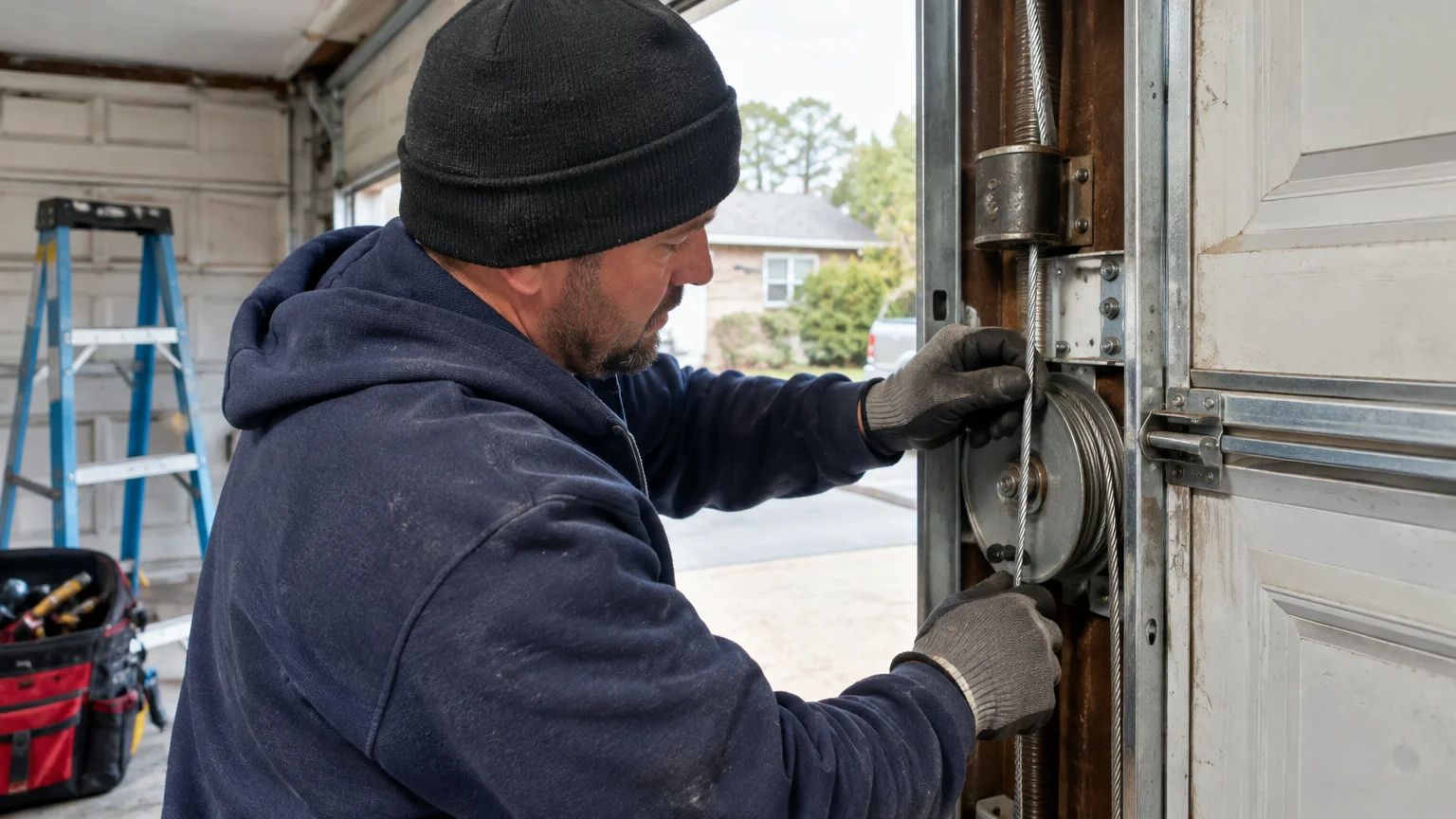
Yes. A broken spring or lift cable can leave a garage door too heavy or unsafe to move. Springs and cables help hold the door’s weight. If one breaks, stop using the opener and keep clear. Do not lift, repair, or adjust these parts yourself.
What are signs of a spring or cable failure?
A loud bang may happen when a spring breaks, but sound alone cannot prove the cause. Other warning signs include a gap in a spring, a loose or hanging cable, a crooked door, or a door that stops and feels heavy. A damaged door may sit unevenly or fail to stay in place.
Do not touch a spring, cable, or bottom bracket. These parts can be under strong tension. A cable can snap or shift, and a spring can release force without warning. Keep children and pets away, and do not use the door by remote, wall button, or hand.
Why should trained professionals handle damaged hardware?
Spring and cable work involves parts under high tension. A wrong move can make the door fall or a part strike someone. The work needs proper tools, training, and care. A safe repair means checking the full door system, not just replacing the part that looks broken.
You do not need a professional to check remote batteries, move loose debris, or wipe sensor faces. But damaged springs, lift cables, bottom brackets, and doors off track need a trained repair professional. Garage Door Cable Repair can address cable problems. A technician can also check whether the spring, tracks, rollers, or opener need care.
What should I do if the garage door will not open during an emergency?
Keep people away from the door and use another safe exit if one is open. Do not force the door or try to lift it if it is heavy, crooked, or damaged. If someone is in immediate danger, contact local emergency services instead of trying to repair the door.
How can people, vehicles, and property stay safe?
First, keep children and pets away from the door and tracks. Do not stand under a partly open door or park beneath one that may move. If a car is trapped inside, do not pull the emergency release unless the door looks stable and the manual says it is safe.
If the home or business cannot be secured, move people to a safe place and secure other entry points if possible. Do not leave an unstable or partly open door where people can reach it. Avoid using another opener control to test a door that may have damaged parts.
When should troubleshooting stop?
Stop right away if the door is crooked, a cable is loose, a spring looks broken, or the opener strains without moving the door. Also stop if the door drops, jerks, or makes a new grinding or snapping sound. These signs point to a problem that simple checks cannot safely fix.
In an urgent case, tell the repair professional whether the door is open or closed, what sounds it makes, and whether it looks uneven. Mention any visible cable or spring problem. Do not leave out signs of damage. Athens Garage Door Repair serves Athens and nearby communities, including Clearview, Poston, Chauncey, Albany, Amesville, and Buchtel. Athens homeowners can also keep people clear of the door while waiting for help. The next step should be a safe check, not more attempts to force the door.
When should I call a garage door repair professional?
Call a professional when safe checks do not explain the problem, the opener strains, or any part of the door looks damaged. Spring, cable, track, and wiring repairs are not homeowner tasks. A timely check can help restore safe use and keep a small fault from causing more harm.
What details should someone note before requesting service?
Note whether the opener makes a sound, whether its lights turn on, and whether the door moves at all. Mention flashing lights or a visible blockage. These details may help a technician narrow down the cause, but they do not replace an in-person check.
Also say whether the door is stuck open or closed and whether someone needs access to a car or building. Point out any loose cable, broken spring, bent track, or recent impact. Do not touch damaged parts to get a closer look. If the door is not stable, keep everyone away until help arrives.
How can prompt diagnosis help restore reliable operation?
A door and opener work as one system. The cause may be a control, a blocked path, or damaged parts. A technician can check how the door moves and how the opener responds before deciding what needs repair. This helps prevent a setting change from hiding a mechanical fault.
Athens Garage Door Repair can help homeowners and property owners find a safe next step. Garage Door Opener Repair may address an opener that has failed, while Garage Door Maintenance can help with routine care and checks. Contact us now to arrange urgent garage door help.
Key takeaways
- Check power, controls, locks, and visible blockages only when the door is still and safe.
- Sensor trouble more often stops a door from closing than from opening.
- Do not force a door that is crooked, heavy, or making new sounds.
- Leave springs, cables, bottom brackets, and damaged tracks to trained professionals.
Frequently Asked Questions
Can someone open a garage door when the power is out?
Some doors can be separated from the opener with an emergency release, but that does not make every door safe to lift. A broken spring or damaged cable can make the door very heavy. Follow the owner’s manual and stop if the door looks damaged or does not move easily.
Why does the garage door opener hum but not open the door?
A humming opener may be trying to move a locked, jammed, or damaged door. It may also point to an opener problem. Stop pressing the control, especially if the door looks crooked or feels heavy. A professional can check the door and opener without forcing movement.
Can dirty safety sensors stop a garage door from opening?
Dirty or misaligned sensors usually affect closing, because they help stop a door from closing on something in its path. Wiping visible dust from the sensor faces is a safe check. Do not move the sensors or bypass them. If the door still acts strangely, arrange a proper check.
Is it safe to lift a garage door with a broken spring?
No. A broken spring can leave the door very heavy and hard to control. It may drop or shift without warning. Do not lift it, use the opener, or try to repair the spring. Keep people away and have a trained garage door professional check it.
What should someone do if the door is stuck open?
Keep people away from the door and do not stand beneath it. If it is crooked, unstable, or has a loose cable, do not try to close it by hand. Secure other entry points if possible and contact a garage door repair professional for urgent help.
If you are unsure what is wrong, have the door checked before the problem grows. The right next step depends on whether the fault is in the opener, controls, or door hardware. Athens Garage Door Repair can help explain what may be happening and what to do next.
If you are not sure what you are dealing with, it is worth having someone look at it before it turns into a bigger job. Get in touch with Athens Garage Door Repair today and we will tell you where you stand.